Asian Rug Cleaning in Pueblo West, CO for Delicate Fibers and Fine Weaves
Hand-knotted and specialty Asian rugs require a very different level of care compared to standard wall-to-wall carpet. Many of these rugs are made from natural fibers such as silk or fine wool, woven by hand with dyes that can be sensitive to certain cleaning chemicals and water temperatures. In Pueblo West's dry climate, dust and grit work their way deep into rug fibers, and without proper cleaning technique, these rugs can suffer color bleeding, fiber damage, or fringe deterioration. Nazareth Enterprises provides Asian rug cleaning in Pueblo West, CO using methods suited specifically to the construction and material of each rug.
Schedule a fiber assessment for your Pueblo West rug with Nazareth Enterprises.
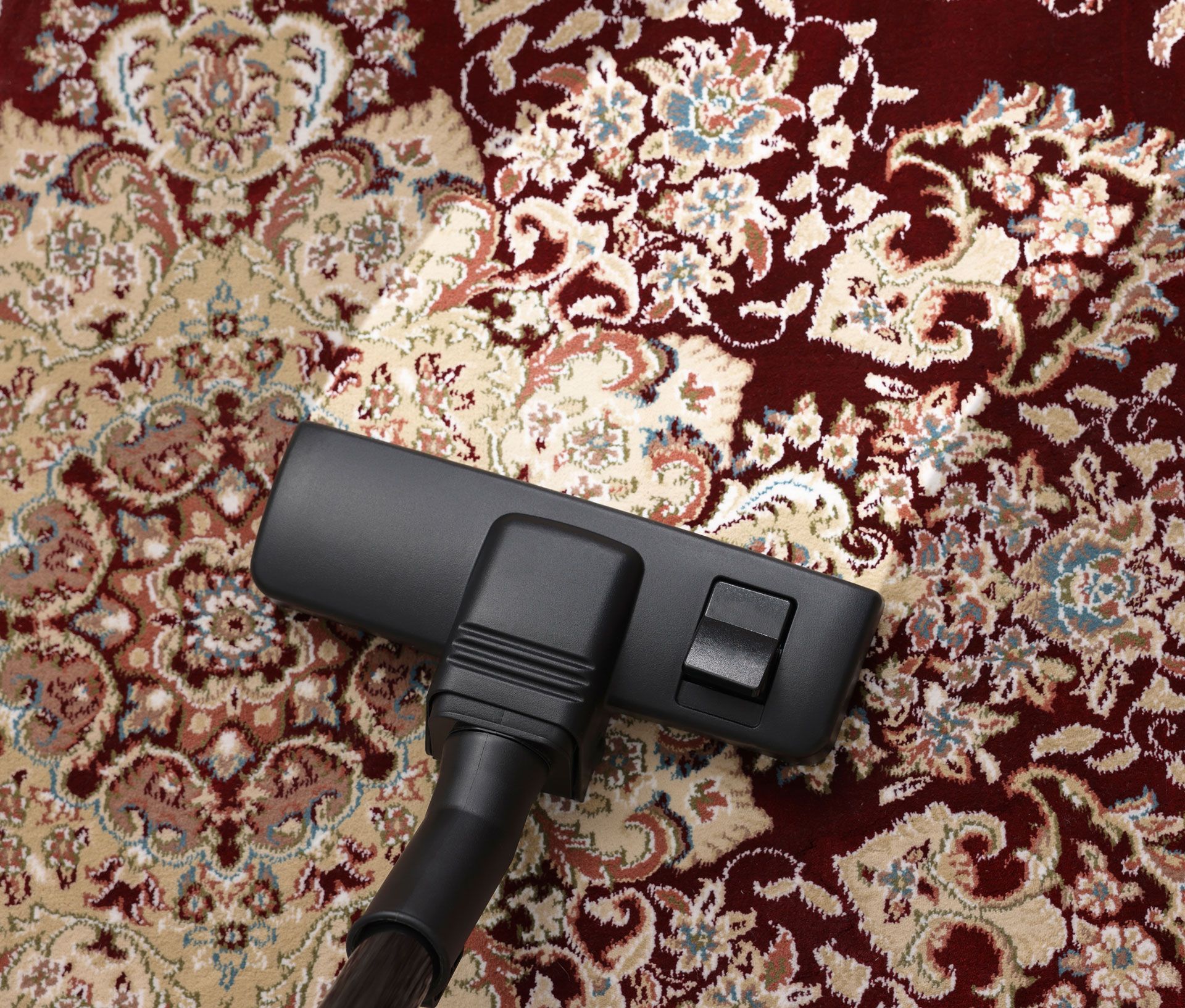
Why Asian Rugs Require Specialized Cleaning
Asian rugs, including Persian, Oriental, and other hand-knotted styles, are typically constructed from natural fibers such as wool, silk, or a wool-silk blend. Unlike synthetic carpet, these materials react differently to water, heat, and cleaning agents, and improper handling can cause irreversible damage such as dye bleeding, fiber shrinkage, or weakening of the foundation weave.
Dust and dry soil are a particular concern in Pueblo West, where low humidity and wind carry fine particles that settle deep into rug fibers over time. Left untreated, this embedded grit acts almost like sandpaper, gradually wearing down fibers with every step taken across the rug. Because these rugs often represent a significant investment or hold sentimental value, cleaning approach matters as much as the outcome.
Upholstery Cleaning
Common Issues Seen in Asian Rugs in Pueblo West Homes
Deep-set dust and grit accumulated in tightly woven fibers.
Dye bleeding risk when improper water temperature or cleaning agents are used.
Fringe discoloration and fraying from foot traffic and vacuum damage.
Dry rot or fiber brittleness in rugs stored in low-humidity conditions.
Material-specific cleaning methods rather than a single universal process.
Respectful, discreet service for situations that require extra sensitivity.
Our Asian Rug Cleaning Process
Nazareth Enterprises begins every rug cleaning with a full material inspection to identify fiber type, dye stability, weave construction, and any existing damage before cleaning begins. Colorfastness testing is performed on an inconspicuous area of the rug to confirm that dyes will not bleed or run during the cleaning process.
Once fiber type and dye stability are confirmed, a controlled dusting process removes dry soil from deep within the rug before any liquid cleaning solution is introduced. This step is critical, since cleaning a rug without first removing dry particulate can grind grit further into the fibers rather than lifting it out. Cleaning solution strength and water temperature are then adjusted specifically for the rug's material, followed by careful rinsing and controlled drying to prevent fiber distortion or shrinkage.
Steps Involved in Asian Rug Cleaning
- Full material and dye inspection.
- Colorfastness testing prior to any wet cleaning.
- Controlled dry soil removal from base fibers.
- Fiber-appropriate wet cleaning and rinsing.
- Careful drying and fringe grooming.
Ask about a colorfastness test before scheduling a full cleaning.
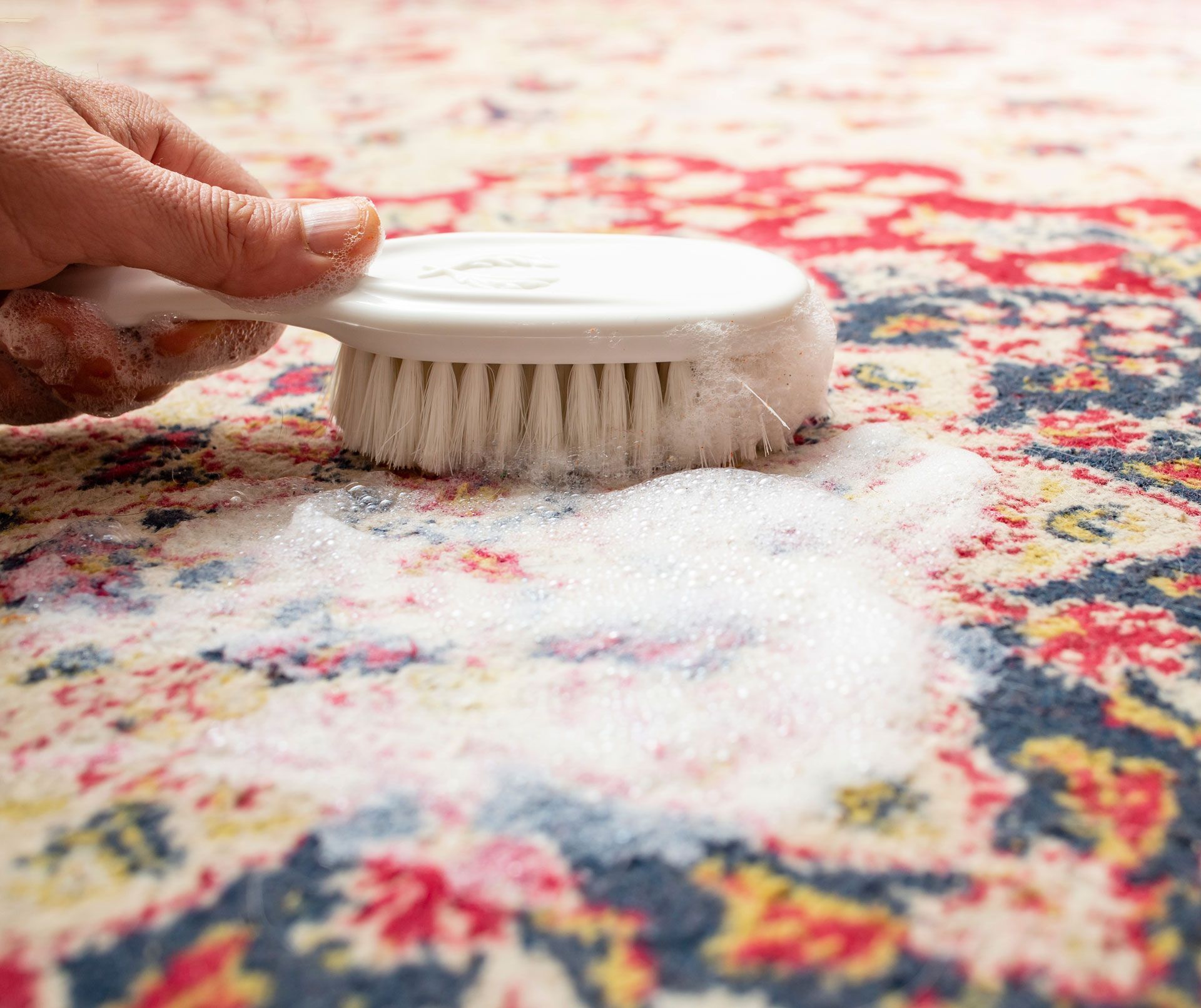
Fringe and Edge Care
Fringe on Asian rugs is often the most fragile part of the entire piece, and it tends to show wear before the rest of the rug does. Vacuuming directly over fringe, foot traffic near rug edges, and general handling all contribute to fraying and discoloration over time. Nazareth Enterprises treats fringe separately from the main body of the rug, using gentler cleaning techniques designed to preserve fiber strength along these more delicate edges.
Fringe and Edge Issues Commonly Addressed
- Yellowing or graying of fringe fibers over time.
- Fraying caused by vacuum brush attachments.
- Loose or unraveling edge bindings.
- Soil buildup trapped at the base of fringe strands.
Rug Types and Material-Specific Handling
Not every Asian rug is constructed the same way, and cleaning approach shifts depending on whether a rug is hand-knotted, machine-made, or crafted from silk versus wool. Nazareth Enterprises adjusts technique based on the specific construction and material identified during inspection.
Rug Materials and Styles We Clean
- Hand-knotted wool Persian and Oriental rugs.
- Silk and silk-blend area rugs.
- Wool-cotton foundation rugs.
- Vintage and antique rugs requiring extra-gentle handling.
Request a quote for your Asian rug cleaning appointment.
Areas We Serve Around Pueblo West
Nazareth Enterprises provides Asian rug cleaning throughout Pueblo West and the surrounding Pueblo County area, including homes near the Pueblo West Metropolitan District, properties along McCulloch Boulevard, and residences throughout nearby rural subdivisions.
Frequently Asked Questions
How often should an Asian rug be professionally cleaned?
Most Asian rugs benefit from professional cleaning every twelve to eighteen months, though rugs in high-traffic areas or homes with pets may need cleaning closer to every twelve months.
Can silk rugs be cleaned the same way as wool rugs?
Silk rugs require gentler handling, lower water temperatures, and different cleaning agents than wool rugs, since silk fibers are more sensitive to heat and can be damaged by aggressive cleaning methods.
Will cleaning cause the colors in my rug to bleed or fade?
Colorfastness testing is performed before any wet cleaning to identify dyes that may bleed, allowing the cleaning method to be adjusted or avoided entirely if bleeding risk is detected.
How long does an Asian rug take to dry after cleaning?
Drying time varies based on rug thickness and fiber type but typically ranges from twelve to twenty-four hours, with proper airflow used to speed the process and prevent moisture-related damage.
Can vacuuming damage the fringe on an Asian rug?
Vacuum brush attachments can catch and fray fringe fibers over time, which is why many rug owners use suction-only settings or avoid vacuuming directly over fringe areas.
Is it safe to clean an antique rug using the same methods as a newer rug?
Antique rugs often require gentler, more conservative cleaning methods due to natural fiber weakening over time, and a full condition assessment is typically recommended before cleaning begins.
What causes musty odor in an Asian rug?
Musty odor is often caused by trapped moisture from previous cleaning, humidity exposure, or long-term storage in poorly ventilated areas, and can typically be resolved through proper cleaning and drying.
Can professional cleaning remove pet stains from a hand-knotted rug?
Pet stains can often be treated and reduced in hand-knotted rugs, though full removal depends on how long the stain has set and whether it has affected the dye or foundation fibers.
Does dry, low-humidity air affect Asian rugs over time?
Extended exposure to dry air can contribute to fiber brittleness in wool and silk rugs, making periodic professional cleaning and conditioning important for maintaining fiber flexibility.
How can I tell if my rug is hand-knotted or machine-made?
Hand-knotted rugs typically show slight irregularities in pattern and knot density on the back of the rug, while machine-made rugs display uniform, repetitive patterns and backing material.
Is professional cleaning necessary, or can an Asian rug be cleaned at home?
Home cleaning methods often lack the fiber-specific knowledge and equipment needed to safely clean natural fiber rugs, and improper at-home cleaning can result in dye bleeding, shrinkage, or fiber damage.